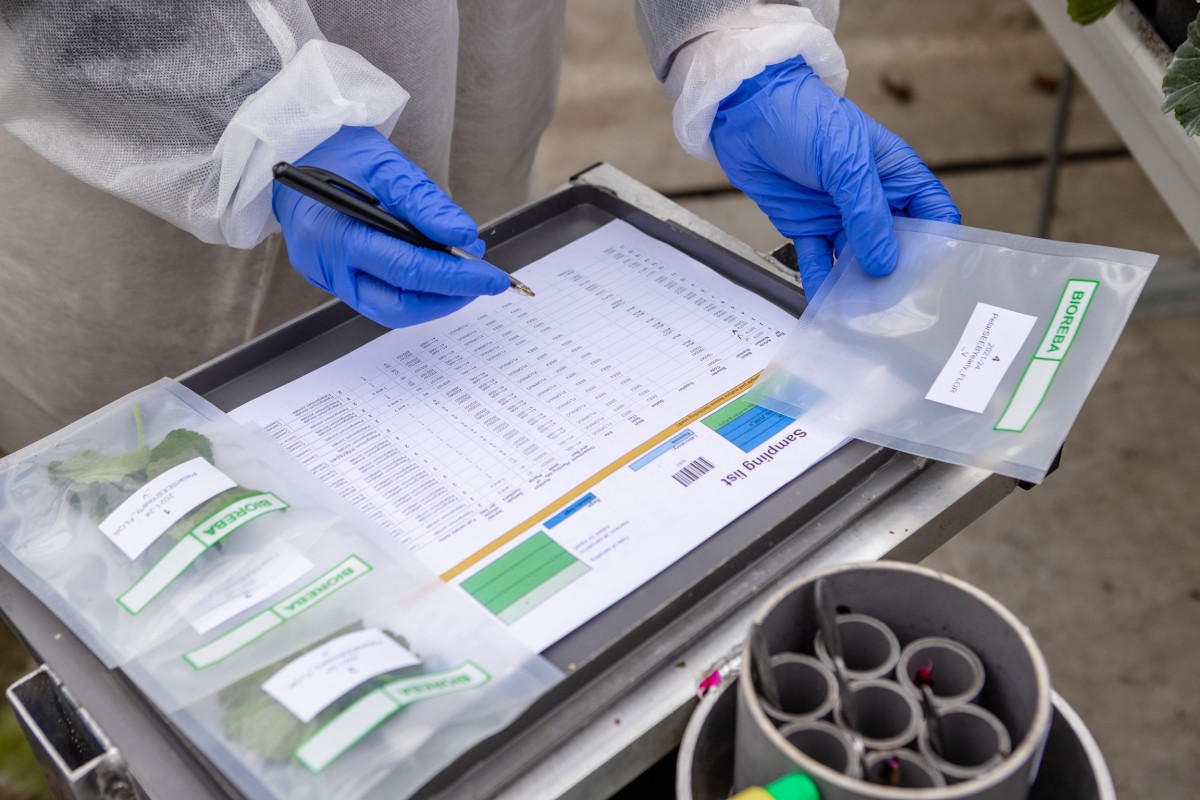
We inspect plant material for quality, identity and health (pests and diseases). We examine the administrative records, company hygiene, the company's own quality inspections and the traceability of products. We also inspect plant material entering or leaving the EU. This enables entrepreneurs in the horticultural sector to trade their healthy plant material worldwide.
Supervision and enforcement
To be able to trade propagating material for floriculture, nursery stock, and vegetable crops, and end products, the plant material must comply with European and national legislation, such as the EU Plant Health Regulation 2016/2031 and the Seeds and Planting Material Act. Naktuinbouw monitors exports and compliance with this law. We operate impartially and independently.
To ensure proper and proportionate monitoring and, if necessary, enforcement in the event of (in)complete compliance, we addressed this topic and updated it where necessary. Some examples:
- We improved the letters used to impose measures (reporting of findings).
- We are investing in training.
- We clarified the explanation of how growers can obtain a plant passport authorization.
- We improved the questions asked during annual administrative inspections.
Inspections optimizes processes
We are continuously working to improve our services. Read more about the processes we've improved at Inspections in the featured article "We're continuously improving our work."
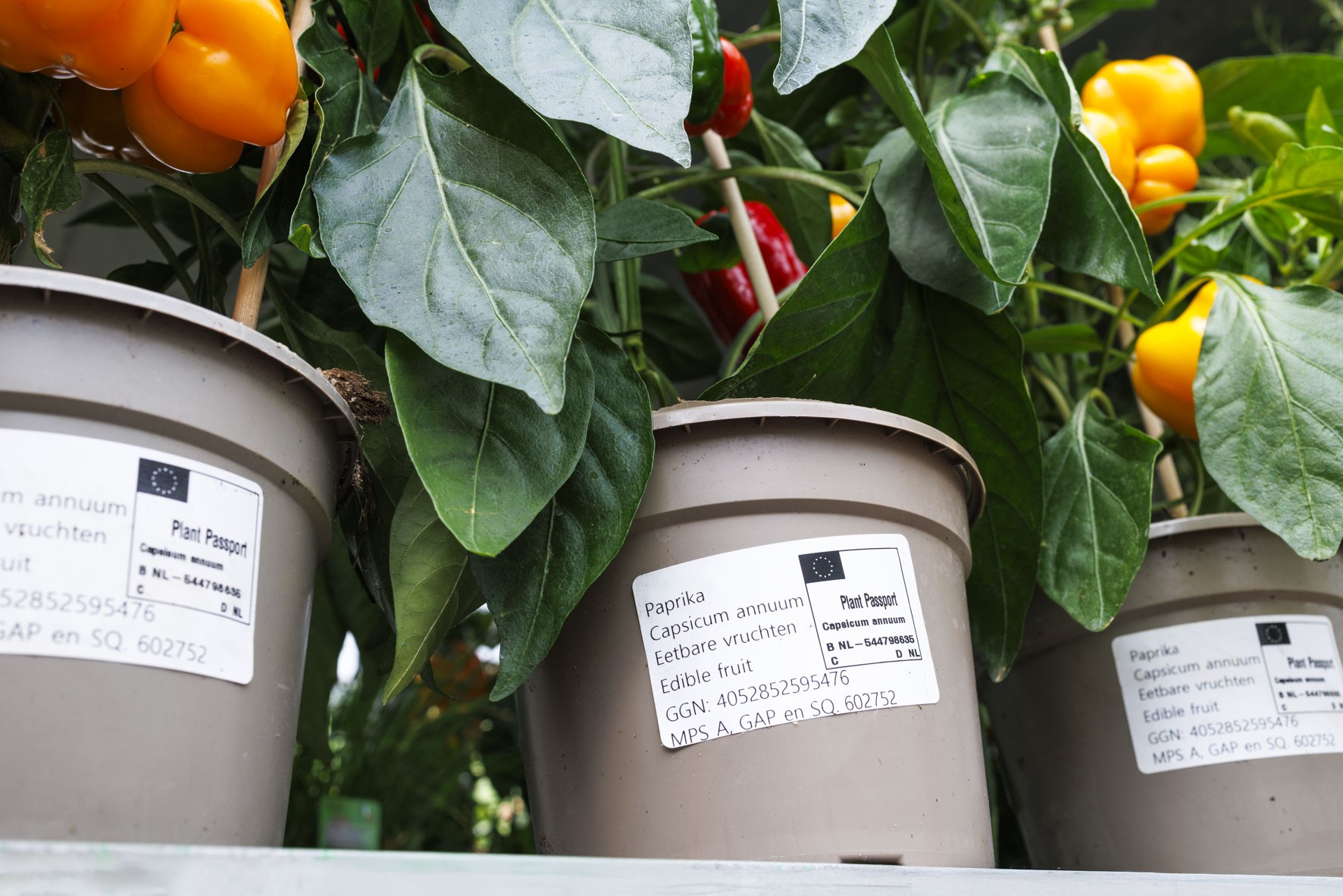
Plant Passport Tool
Naktuinbouw's specialists and educational experts have developed a new e-learning course on Plant Passports. The goal is to improve quality and help companies comply with EU regulations, such as the EU Plant Health Regulation 2016/2031.
Read more about this topic in the featured article "Plant Passport tool helps companies meet legal requirements."
Surveys commissioned by the Netherlands Food and Consumer Product Safety Authority (NVWA)
The NVWA is responsible for monitoring quarantine organisms (Qs). The Dutch inspection services BKD, KCB, NAK and Naktuinbouw conduct the actual inspections and assessments. They do this on behalf of the NVWA. If a Q-organism is found, the NVWA is responsible for handling the case. Naktuinbouw provides support where possible.
On behalf of the NVWA, we monitor the phytosanitary status in the Netherlands for a number of specific organisms. We then specifically examine a number of crops for quarantine organisms or potentially Q- (worthy) organisms. We also conduct additional inspections on packaging wood on behalf of the NVWA. We did not find any quarantine organisms during these surveys.
On behalf of the NVWA, we also conduct an annual survey at companies that import high-risk crops. This is an important survey because some diseases and pests only become apparent several weeks after import. In 2025, during this investigation, the nematode Meloidogyne enterolobii was found twice, in Dypsis and Ficus, and the insect Scirtothrips dorsalis was found once in Podocarpus. The NVWA conducted further investigations and imposed measures.
In addition, Naktuinbouw, commissioned by the NVWA, carried out additional sampling on the import of Vallisneria (aquarium plant) due to findings of Hirschmanniella caudacrena (nematode) and of Dypsis due to findings of Meloidogyne enterolobii. Eleven findings of Hirschmaniella were reported during these additional samplings. The Dypsis samples were all free of Meloidogyne enterolobii.
Diseases & pests
The number of quarantine organisms found in 2025 was lower than in previous years. In 2024, there were 30 finds, but this year there are only eight. This is mainly because ToBRFV no longer has quarantine status. Outbreaks are handled by the Netherlands Food and Consumer Product Safety Authority (NVWA), with Naktuinbouw playing a minor role. The low number of reports of bacterial diseases with RNQP status is striking this year. Both fire blight and various Xanthomonas species were found less frequently. However, more finds of various phytoplasmas were reported. Finally, there has been a significant increase in the receipt of notifications from the United Kingdom concerning whitefly and nematodes. 65% of notifications from third countries originate from the United Kingdom.
Fire blight
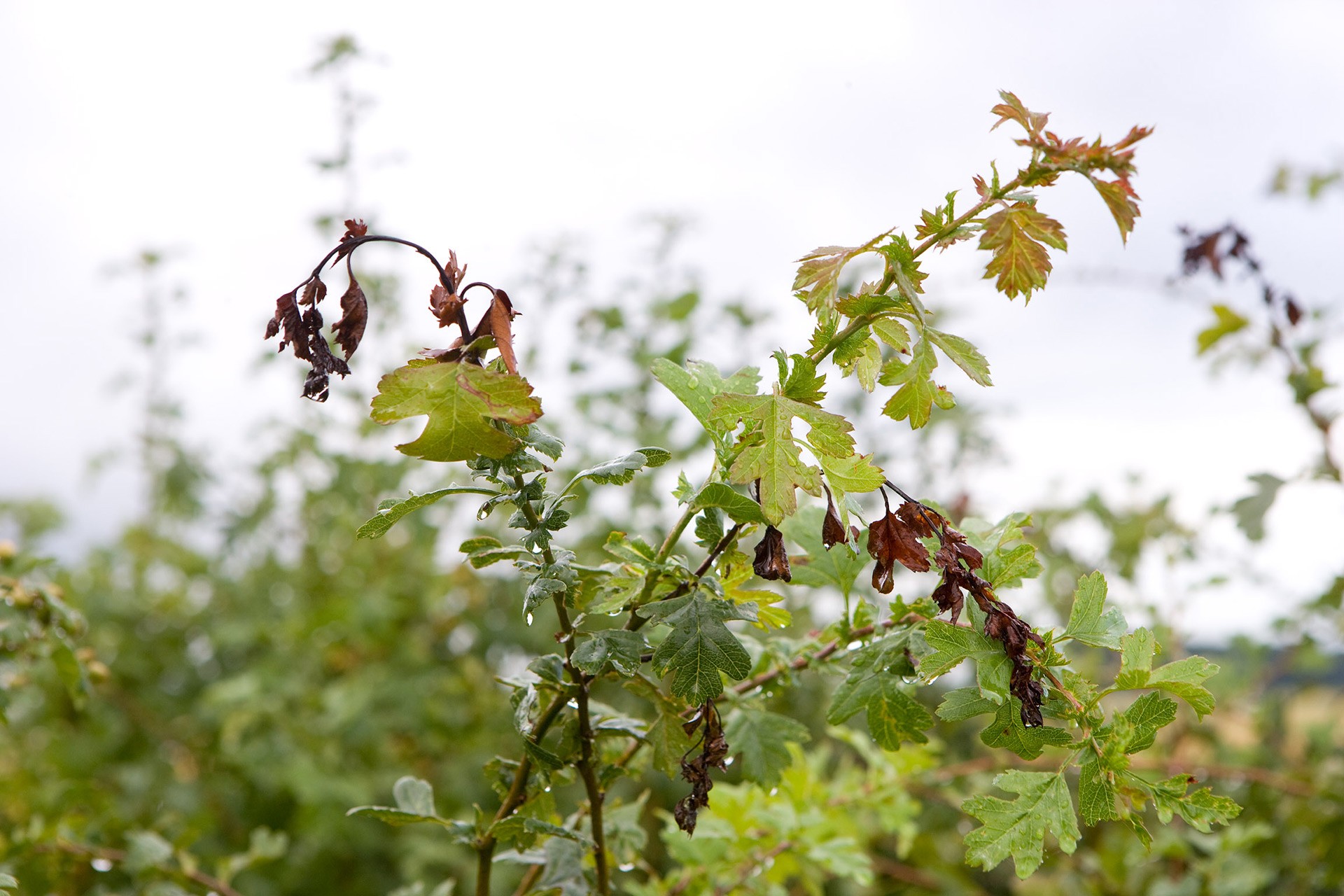
For the Dutch Nursery Council (Dutch: Raad voor de Boomkwekerij), we carried out inspections in so-called buffer zones for fire blight in the Netherlands. We did this at nurseries, in green spaces, and in fruit cultivation. Due to security vulnerabilities in the software we were previously using, we switched to a different program. This was successfully implemented.
In 2025, there were fewer fire blight cases than usual. While the number of infections normally varies from 150 to 250 per year, only about 70 infections were observed in 2025. Weather conditions played a major role in this. There were few humid days, which led to fewer infections. Infections were lower in green spaces, in fruit cultivation, and at nurseries. Thanks to inspections by Naktuinbouw, the infections remain limited and manageable. This way, we maintain the buffer zones and the Netherlands continues to meet the requirements of an established zone.
Better Training Safer Food (BTSF)
BTSF is a European training program. Its goal is to train staff from competent authorities in EU Member States involved in official plant health checks. This ensures they remain fully informed about all aspects of EU legislation on import quarantine. This ensures that all Member States conduct plant health checks uniformly, objectively, and adequately. It also promotes the exchange of information and experience between Member States and increases the effectiveness of plant health services. Several Naktuinbouw staff members attended these training courses. Two staff members also provided training as instructors.
NVWA Popillia japonica exercise
In October, the NVWA held an exercise on the outbreak of the quarantine organism Popillia japonica (Japanese beetle). The NVWA is responsible for preventing and eradicating quarantine organisms in the Netherlands. Naktuinbouw provides assistance when needed. The scenario unfolded quickly: beetles were spotted, there was a risk of spreading, and immediate measures were needed. Fortunately, four Naktuinbouw inspectors were on hand to support the NVWA inspectors. For example, they assisted with enforcing a transport ban, setting up sampling grids, mapping host plants, and hanging traps with pheromones (attractants). The exercise was not only educational but also a great opportunity to collaborate with the NVWA and experience how our expertise contributes to combating quarantine organisms.
EPPO Workshop for inspectors
The Ministry of Agriculture, Fisheries, Food Security and Nature (LVVN) and the Netherlands Food and Consumer Product Safety Authority (NVWA) organized the EPPO workshop for inspectors, focusing on innovative strategies for phytosanitary inspections. The workshop was attended by 58 participants from nineteen EPPO member countries, including Naktuinbouw.
Clean Plant Program in India
In 2025, Naktuinbouw, in collaboration with the Indian National Horticulture Board, launched the Clean Plant Program (CPP). The program aims to ensure the production and distribution of disease-free plant material and to improve certification systems for fruit crops in India. The first training session in India took place in February 2026, and further training sessions are planned.
Providing information about our inspections
We provided information about our inspection activities and phytosanitary inspections to international visitors fourteen times. This information is often part of a visit to our variety testing or to our laboratories. We often provide information about our (phytosanitary) inspections, as we did for the Surinamese trainees in April. We also organized two field trips for this purpose: one for the field inspections and one for the import and export inspections. These were part of the Makandra project. We also receive requests for information on specific topics, such as in July about the systematic production of onion sets and Select Plant. This request came via Wageningen University & Research due to a project with Japan on improving onion cultivation.
These explanations about our inspection activities are also often part of a broader visit organized by the Ministry of Agriculture, Fisheries, Food Security and Nature and the Netherlands Food and Consumer Product Safety Authority . For example, in May, a delegation from the Australian Embassy in Brussels visited the Horst Tes Centre. We informed them about the Post Entry Quarantine (PEQ) station at Naktuinbouw and the Clean Fruit Plants foundation in relation to our fruit certification system. Or, as we did at the end of October, when we provided an Algerian delegation with a general explanation focusing on phytosanitary inspections at seed companies.
Authorizations
Naktuinbouw has developed various company authorizations that demonstrate the added value or superior quality of products.
NEW: LEEZ (Recognized Laboratories for Seed Export
The Netherlands Food and Consumer Product Safety Authority (NVWA) established the ‘LEEZ’ recognition scheme. They did this in collaboration with various partners, including Naktuinbouw. LEEZ regulates the official use of NAL test results for export certification of seeds. Companies with LEEZ recognition may use the results of their own disease tests as a guarantee for export, provided the company has NAL authorization for these tests. The interaction between NAL and LEEZ became increasingly clear in 2025. For example, a change within the framework of NAL can lead to a change in the LEEZ register. The first official LEEZ certificate was awarded in October. In the ’LEEZ Implementation’ working group, the NVWA, Naktuinbouw, and several LEEZ companies address the practical aspects of this recognition. Areas for improvement are also discussed.
ASLN (Authorized Service Laboratories Naktuinbouw)
ASLN is an authorization system for laboratory testing of soil, plant material, and/or seeds. The ASLN system is intended for service laboratories. Nine companies meet the ASLN requirements and have ASLN authorization.
BOOT (Sampling Under Official Supervision)
BOOT is a module developed by Naktuinbouw in collaboration with the Netherlands Food and Consumer Product Safety Authority (NVWA) for sampling tomato and pepper seeds for official ToBRFV testing. Naktuinbouw supervises this through a company audit. The NVWA supervises BOOT through a follow-up inspection and an audit of the system. Six companies meet the BOOT requirements and have BOOT authorization.
Elite Ornamental Plants
Naktuinbouw Elite is a certification system for floricultural crops. There are currently 25 participants worldwide who produce disease-free and true-to-variety propagating material of annuals and perennials. In 2025, we launched an update to the system to ensure it is future-proof.
Elite Pome fruit
Naktuinbouw Elite Pome Fruit supplements the EU certification for fruit trees and fruit rootstocks. With Naktuinbouw Elite Pome Fruit, Naktuinbouw sets higher standards for both crops and companies. If all requirements are met, a company may trade propagating material with the Elite certificate and label. In 2025, 25 companies were authorized to use the Elite Pome Fruit label.
Elite Soft fruit
Naktuinbouw developed a certification system together with the softfruit sector that certifies added value and top quality. Naktuinbouw Elite Softfruit also supplements the EU certification of fruit crops. Eight participants were authorized to use the Elite Softfruit label.
HSPO (Hygiene System for Plant Propagation)
HSPO is a certification system that helps companies ensure the health and quality of their propagating material. This reduces the risk of disease spread and supports the image and export position of propagation companies. In 2025, two audits were conducted for HSPO, and two companies participated in this certification system.
NAFI (Naktuinbouw Authorized Field Inspection)
NAFI is a system that authorizes seed companies to monitor seed production. It focuses primarily on meeting requirements for identity, quality, and health. Three seed companies were NAFI-authorized.
NAL (Naktuinbouw Authorized Laboratories)
NAL enables participants to make the right decisions based on reliable data from laboratory tests in their own laboratories. With the certificates, participants can demonstrate health and quality for international trade. In 2025, there were 21 participants worldwide.
Naktuinbouw bases NAL authorization on three pillars:
- Working with Naktuinbouw-approved protocols
- The results of comparative studies organized by Naktuinbouw
- The results of annual audits
Sometimes companies cannot implement or apply one of these pillars, for example, due to local circumstances or legislation. Therefore, in 2025, we explored alternatives.
Select Plant
Naktuinbouw Select Plant is a system that authorizes company laboratories in the Netherlands and abroad to perform seed quality testing. Naktuinbouw performs additional inspections, sampling, and testing for disease-free crops:
- Alstroemeria: One company participated in Select Plant Alstroemeria.
- Freesia: Twelve companies participated in Select Plant Freesia.
- Onion sets: 81 companies participated in Select Plant Onion sets.
- Hosta: Ten companies participated in Select Plant Hosta.
- Avenue and ornamental trees: Nineteen companies participated in Select Plant Avenue and Ornamental trees.