
-
Variety Testing
-
Data of varieties
- Authorisation: marketing material of not yet listed varieties
- Use of a third country synonym for a vegetable variety
- Vegetable-, agricultural- or ornamental crop?
- Internal Naktuinbouw list for vegetable varieties
- List of names of Woody Plants and List of names of Perennials
- OrganicXseeds: database
- Variety descriptions
- Identity (Variety Tracer)
-
Plant Breeders’ Rights and/or listing DUS-VCU
- Breeder's co-trials vegetable crops
- External Crop Experts Ornamental Crops
- Conditions of submitting identity material for DUS testing
- Calibration books Variety Testing
- National protocols Variety Testing
- American Plant Breeders' Rights - technical testing
- Two tests in one year
- Procedure of landraces, hobby market and conservation varieties
- Varietal trueness and varietal purity
- Resistance
-
Data of varieties
- Inspections
- Laboratories
- Knowledge & Education
- About us
-
Variety Testing
-
Data of varieties
- Authorisation: marketing material of not yet listed varieties
- Use of a third country synonym for a vegetable variety
- Vegetable-, agricultural- or ornamental crop?
- Internal Naktuinbouw list for vegetable varieties
- List of names of Woody Plants and List of names of Perennials
- OrganicXseeds: database
- Variety descriptions
- Identity (Variety Tracer)
-
Plant Breeders’ Rights and/or listing DUS-VCU
- Breeder's co-trials vegetable crops
- External Crop Experts Ornamental Crops
- Conditions of submitting identity material for DUS testing
- Calibration books Variety Testing
- National protocols Variety Testing
- American Plant Breeders' Rights - technical testing
- Two tests in one year
- Procedure of landraces, hobby market and conservation varieties
- Varietal trueness and varietal purity
- Resistance
-
Data of varieties
- Inspections
- Laboratories
- Knowledge & Education
- About us
New seed extract PCR (SE-PCR) test for various legume crops
Publicationdate: 10 december 2025
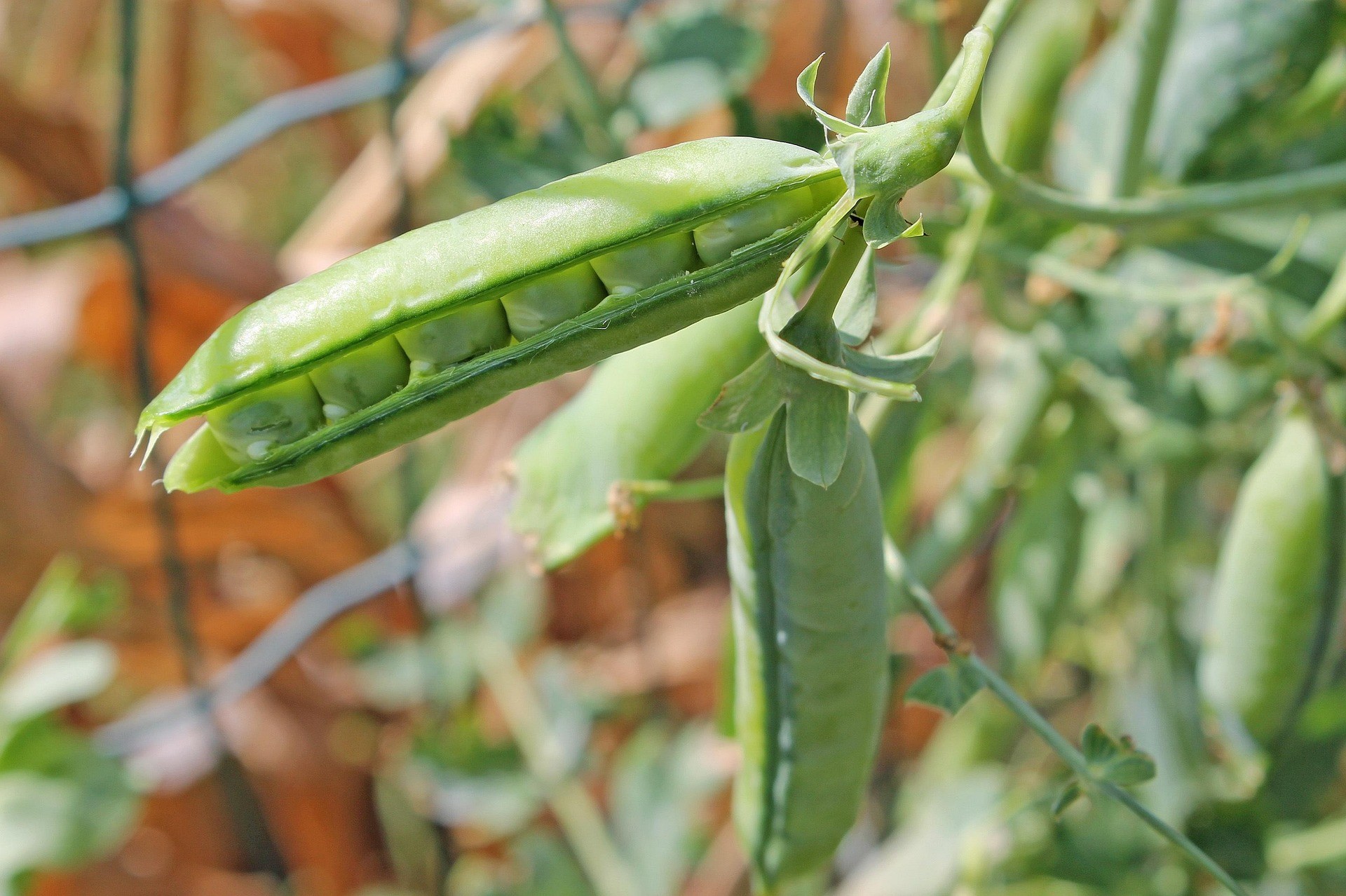
Starting December 1st, we can test for the presence or absence of Curtobacterium flaccumfaciens pv. flaccumfaciens on seeds of bean (Phaseolus vulgaris) seeds, runner bean (Phaseolus coccineus), Lima bean (Phaseolus lunatus), Adzuki bean (Vigna angularis), Urad bean (Vigna mungo), Mung bean (Vigna radiata), pea (Pisum sativum), soybean (Glycine max) and broad bean (Vicia faba). For this test is chosen to use the fast, reliable and sensitive seed-extract PCR method as test method. The existing cultivation method on beans has also been expanded to include the above-mentioned crops.
Technique for rapid amplification of DNA
This is done with the help of pathogen-specific building blocks. The increase in DNA can be monitored digitally at any time. This makes it possible to faster and with more certainty confirm whether the seed samples actually contain the pathogen.
Curtobacterium flaccumfaciens pv. flaccumfaciens
This bacterium is the causative agent of bacterial wilt in species of the legume family, including the common bean. It was first observed in 1922 in South Dakota, USA, after which it spread to other US states, South America, Iran, South-east Asia, Africa, Europe, and Australia. Initially, only a yellow variant was reported, but over the years, orange, red, and even purple variants of the bacterium have also been found. This seed-borne pathogen can cause field production losses of 20-50%.
The test
Curtobacterium flaccumfaciens pv. flaccumfaciens on seeds of various legume crops
- Test code: CFFQ050
- Sample: 5.000 untreated seeds
- Rate test: € 279,50
- Duration test: 4 days
For basic fees see price list.
Naktuinbouw Laboratories supports sector
To support the sector, Naktuinbouw Laboratories continues to develop new tests that can support diagnoses on plants and seeds with symptoms or just checking for and guaranteeing absence from certain plant pathogens.
Naktuinbouw only uses functional and analytical cookies. More information