
National Crisis Exercise on Q organisms in tree nursery production
Publicationdate: 23 juni 2026
Imagine this: the Japanese beetle has been found somewhere. How can the crisis then be managed? On Friday 19 June, this fictional scenario was practised with entrepreneurs from the tree nursery sector, representatives of trade organisations and public authorities.
Every year, a meeting on quarantine organisms is held in a tree nursery municipality. The aim is to raise or maintain awareness of Q organisms and of the impact of a finding or outbreak. After all, the risk of harmful organisms being introduced into the Netherlands and the EU remains ever-present. On Friday, the National Crisis Exercise on Q organisms took place in Alphen aan den Rijn, organised by Greenport Boskoop, the municipality of Alphen aan den Rijn, the NVWA, Naktuinbouw, LTO Nederland and Royal Anthos.
Fictional scenario
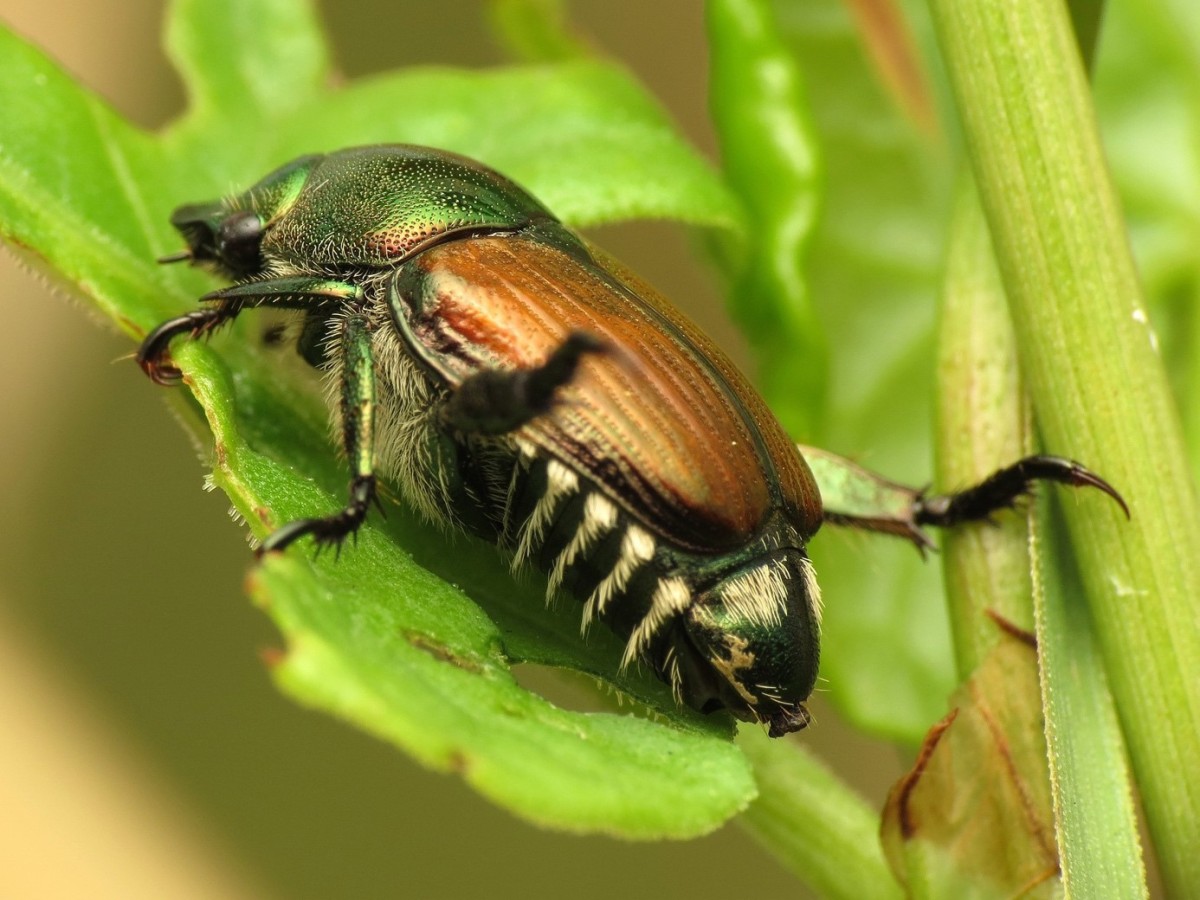
A fictional scenario was developed for the exercise: a notification is received from another EU Member State about a Japanese beetle (Popillia japonica) that was allegedly found in an export consignment of plants. Under EU rules, an area must be demarcated in which the NVWA has to take measures, including the destruction of infected plants and a ban on the movement of plants with soil attached.
This fictional scenario was then worked out further in small groups, with each group looking at it from a specific perspective: an affected grower, a trader in relevant host plants, a private resident in the demarcated area, a municipal crisis management officer or communication professionals.
The findings were then discussed with everyone present. In the event of a finding or outbreak, it is important to assess the impact, carry out environmental surveys quickly and ensure the traceability of plants. In addition to measures — what is required and what is not possible — it is also important for those involved to know what is still possible. After all, an outbreak can have far-reaching consequences for a region and/or a sector.
Leaflet ‘Keep the Netherlands free from the Japanese beetle’
What is the Japanese beetle, which EU measures apply after a finding of the beetle, and what can you do to keep this beetle out of the Netherlands? All information about this can be found in this leaflet (in Dutch), compiled by LTO, vakgroep Bomen, Vaste planten en Zomerbloemen and other sector organisations in the ornamental horticulture chain, in collaboration with the NVWA and Naktuinbouw.
Cooperation between government, the sector and trade organisations in the tree nursery sector is central to the approach to Q organisms. Only by acting together and quickly can spread be prevented.
Cooperation continued throughout the entire ornamental horticulture chain
At the beginning of 2026, this cooperation was extended to all links in the ornamental horticulture chain, from propagation material to retail. Various Q organisms in the EU have host plants that are not only produced and traded within the tree nursery chain, but also in other ornamental horticulture sectors such as greenhouse horticulture.
To this end, the Knowledge on Demand project Kennis op Maat-project ‘Een fytosanitair weerbare sierteeltketen’ is being carried out under the coordination of LTO. The project is being implemented by Wageningen University & Research. The following organisations are also involved: Royal FloraHolland, VGB, Tuinbranche Nederland, Plantum, Glastuinbouw Nederland, Royal Anthos, Tree Centre Opheusden, Treeport Zundert, Greenport Boskoop and Boomteeltstudieclub Horst aan de Maas.
Source: Landelijke Crisisoefening Q-organismen in boomkwekerij - LTO